ByJohn A
How Glass Wine Cellars Turn Valuable Collections into Architectural Features
A carefully built wine collection holds more than bottles. It can reflect years of collecting, memorable journeys, personal taste, and an appreciation for craftsmanship. Yet storing that collection behind a solid door or inside an ordinary cupboard hides much of its character. In homes where interior design receives as much attention as functionality, wine storage can become part of the architecture rather than a feature tucked away from view.
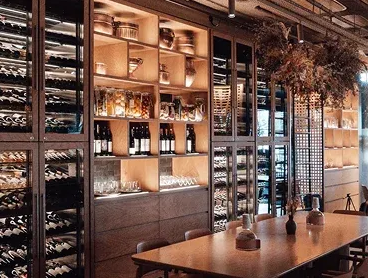
Glass wine cellars offer a distinctive way to display a collection while giving it a defined place within the home. Transparent walls reveal the bottles, shelving creates visual order, and integrated lighting can highlight the arrangement without overwhelming the surrounding interior. The result is a space that combines storage with a carefully considered design feature.
Turning Wine Storage into a Visible Design Element
Traditional wine cellars are often associated with stone walls, timber racks, and rooms hidden beneath a house. These settings have their own appeal, but contemporary interiors allow wine storage to take different forms.
A glass-enclosed cellar can sit beside a dining room, occupy part of a living area, or become a feature near a kitchen. Its transparent boundaries make the collection visible from adjoining spaces, allowing the bottles and shelving to contribute to the overall design.
This approach works particularly well in open-plan homes, where separate rooms are often defined through materials, furniture, and lighting rather than solid walls. A glass enclosure establishes a dedicated wine storage area without completely separating it from the rest of the home.
The visual effect depends on the collection itself and the way it is arranged. Uniform bottle positions create a clean, orderly appearance, while a combination of bottle sizes, labels, and carefully selected shelving can introduce variety. Instead of treating the cellar as a separate utility space, the design gives it a clear architectural purpose.
See also: How a 167 kVA Pole Mounted Transformer Supports Reliable Electricity Distribution
Why Glass Changes the Feel of a Room
Solid walls can make a wine cellar feel enclosed and disconnected from the surrounding interior. Glass maintains visual continuity, allowing people to see into the space without needing to enter it.
In a smaller home, this transparency can help preserve an open atmosphere. A cellar positioned beside a dining area may provide a visual focal point while allowing the room to retain its original sense of space. In a larger property, glass can help define a dedicated entertaining zone without interrupting the wider floor plan.
Transparency also allows materials to work together. Dark metal frames can contrast with pale flooring, timber shelving can introduce warmth, and clear glass can keep the overall composition from feeling too heavy.
Frameless designs offer a minimal appearance, while framed enclosures can introduce stronger lines and a more structured look. The appropriate choice depends on the home’s existing architecture, the desired level of visual separation, and the practical requirements of the cellar.
Lighting That Reveals the Collection
Lighting can determine whether a wine cellar feels like a simple storage cabinet or a considered part of the interior. Poorly positioned lights may create reflections on glass, cast uneven shadows, or make labels difficult to see.
A more thoughtful arrangement uses controlled lighting to highlight the bottles and shelving without creating excessive glare. Concealed LED strips can define shelf edges, while discreet ceiling lights can illuminate the interior evenly. The light colour should complement the surrounding finishes and maintain a comfortable appearance from nearby seating areas.
Light exposure also matters for wine preservation. Prolonged exposure to ultraviolet light can affect wine quality, and excessive heat may accelerate ageing. Low-heat lighting, appropriate glazing, and carefully managed operating times help reduce unnecessary exposure.
The goal is to make the collection visible without treating every bottle like an object under a spotlight. Subtle illumination often produces a more refined effect than overly bright lighting.
Good Design Begins with Proper Wine Storage
A glass enclosure must do more than look attractive. Wine needs suitable storage conditions, particularly when the collection includes bottles intended for long-term ageing.
Temperature stability is a major consideration. Frequent temperature changes can affect wine, so the cellar should use an appropriate cooling system where required. Humidity, air circulation, insulation, and door seals also influence performance.
Many wine cellars are designed around a temperature near 12–14°C for general storage, although the ideal conditions depend on the wines, intended storage period, and cellar system. The refrigeration equipment should be selected for the enclosure’s dimensions, insulation, expected heat gain, and local climate.
Humidity management deserves attention too. Extremely dry conditions can contribute to cork problems over time, while excessive moisture may encourage mould on surrounding materials. A properly designed system helps maintain a suitable environment without introducing unnecessary condensation.
Bottle orientation should also reflect the closure type an