ByJohn A
How to Buy Research Peptides Online: A Guide to Quality and Documentation
Research peptides are used in laboratory studies to examine biological processes, molecular interactions, and other areas of scientific interest. Researchers who plan to buy research peptides online need to pay close attention to product identity, purity information, storage requirements, and supporting documentation. A product description alone cannot confirm that a material meets the needs of a particular experiment. Careful supplier evaluation helps laboratories make informed purchasing decisions and maintain reliable research records. Vitl Peptides is a name researchers may encounter while comparing peptide products and supplier information. Before placing an order, buyers should understand what quality documents can establish, which details deserve closer inspection, and how to assess whether a supplier provides enough information for responsible laboratory use.
Why Quality Matters When Purchasing Research Peptides
Peptides are short chains of amino acids that researchers study for a range of scientific purposes. Their composition, purity, and stability can affect how they behave during laboratory experiments. Differences between batches may also complicate comparisons when researchers repeat the same procedure. A reliable purchasing process starts with a clear understanding of the material required. Buyers should identify the peptide sequence, expected purity, quantity, and intended research application before comparing suppliers.
Several factors deserve attention during this process:
- Identity: The product should be clearly identified by its name, sequence, or other appropriate chemical information.
- Purity: The supplier should explain the stated purity level and the analytical method used to assess it.
- Consistency: Available batch information can help researchers compare different product lots.
- Storage: Handling and storage instructions should explain how to protect the material from unsuitable conditions.
- Documentation: Supporting records should provide evidence for the supplier’s stated specifications.
These details help researchers assess whether a product is suitable for further laboratory evaluation rather than relying on marketing descriptions alone.
See also: How to Build an Audience from Scratch in 2026: The Ultimate Zero-to-One Growth Blueprint
Read the Certificate of Analysis Carefully
A Certificate of Analysis (CoA) is one of the main documents buyers may review when evaluating a research peptide. It typically reports selected analytical results for a product or batch. The amount of detail varies by supplier, so the document should be checked rather than accepted at face value. A useful CoA may include the product name, batch number, purity result, analytical methods, test date, and relevant identification data. Some certificates also provide additional information about the material’s physical properties or storage conditions.
Before making a purchase, check the following:
- Does the batch number match the product being offered?
- Is the reported purity result clearly stated?
- Does the document identify the testing method?
- Are the test date and relevant sample details available?
- Can the supplier explain who performed the analysis?
- Are the results specific to the batch rather than general product information?
High-performance liquid chromatography (HPLC) is commonly used to assess peptide purity. Mass spectrometry can help assess molecular mass and support identity verification. These methods provide different types of information, so one result should not automatically be treated as proof of every quality characteristic. A certificate also has limits. A reported purity percentage does not, by itself, establish sterility, biological activity, safety for human use, or suitability for a particular experiment.
Check Supplier Transparency Before Ordering
Supplier transparency is another important part of online purchasing. A professional product listing should provide enough information for buyers to understand what is being sold and which documentation is available. When comparing suppliers, look for clear product specifications, consistent naming, accessible business information, and a straightforward process for requesting technical documents. Be cautious when a seller makes broad claims but offers little evidence to support them.
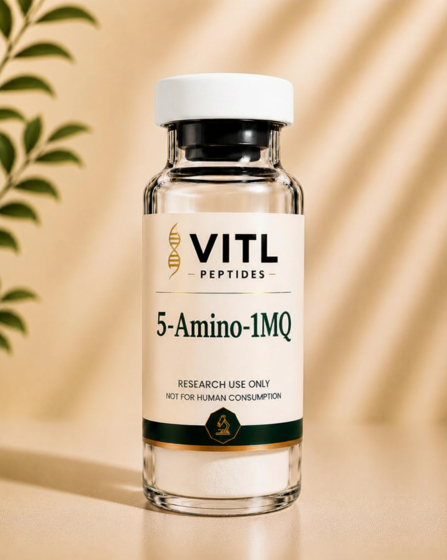
For example, a statement such as “high purity” is less informative than a clearly reported analytical result accompanied by a relevant testing method. Similarly, a product photograph or attractive label cannot establish the chemical identity of the material inside the package. Researchers comparing Vitl Peptides with other suppliers can use the same evaluation criteria for each option. Reviewing the available documentation, checking batch traceability, and asking specific questions can help buyers distinguish verifiable information from promotional language.
Understand What a 5-Amino-1MQ Supplier Should Provide
Researchers searching for a 5-Amino-1MQ supplier should begin by confirming the exact product identity and reviewing the available technical information. Product names alone may not provide enough detail to establish chemical composition, and similar-looking listings should not be assumed to describe identical materials. The documentation available for a product should be consistent with its stated identity and intended research classification. Buyers should also establish whether the supplier can provide batch-specific analytical results and explain any limitations in the supporting data.
Useful checks include:
- Product identification: Confirm the stated chemical identity and any available identifiers.
- Analytical evidence: Review relevant purity and identity testing information.
- Batch traceability: Check whether the product can be linked to a specific production or testing batch.
- Handling guidance: Read the supplied storage and handling instructions before accepting delivery.
- Supplier communication: Ask for clarification when technical details are missing or unclear.
A responsible 5-Amino-1MQ supplier should be able to explain the documentation it provides without making unsupported claims about results in humans. Research interest in a compound does not establish that it is approved for medical use or proven safe and effective as a treatment.
Compare Pricing Without Ignoring Documentation
Price is a reasonable consideration when laboratories purchase research materials, particularly when they need to manage recurring experiments. However, the lowest advertised price may not represent the best purchasing decision if the product information is incomplete or the documentation cannot be verified. A fair comparison should consider the total cost alongside the quality information supplied. Packaging, shipping conditions, available batch records, and communication about technical specifications can all affect the overall purchasing experience.
Researchers can compare offers using a simple checklist:
| Comparison factor | What to review |
| Product specifications | Identity, quantity, and stated purity |
| Testing records | Relevant methods and reported results |
| Batch details | Identification and traceability |
| Packaging | Protection appropriate to the material |
| Shipping | Conditions and handling information |
| Customer support | Ability to answer technical questions |
Avoid treating a higher price as automatic proof of better quality. Equally, do not assume that two products are equivalent simply because they have similar names and advertised purity levels.
Review Storage, Packaging, and Delivery Information
Peptides can be sensitive to environmental conditions, depending on their chemical properties and formulation. Exposure to unsuitable temperatures, moisture, or repeated handling may affect material stability. Before ordering, review the supplier’s storage recommendations and any instructions provided for transport. The appropriate conditions depend on the individual product, so generic assumptions should not replace product-specific guidance.
After delivery, researchers should inspect the packaging for visible damage and check that the product label matches the order. Any discrepancies should be documented and raised with the supplier before the material is used. Laboratories should also maintain records of receipt, storage, batch identification, and relevant handling steps. These records support traceability and help researchers investigate unexpected differences between experiments.
Keep Purchasing Records for Future Reference
Good documentation continues to matter after an order arrives. Keeping clear records makes it easier to identify which materials were used in a study and assess possible sources of variation.
A laboratory purchasing file may contain:
- The supplier’s name and product description.
- Purchase date, order reference, and batch number.
- The available Certificate of Analysis.
- Product specifications and storage instructions.
- Receipt and packaging inspection notes.
- Any correspondence about missing or unclear information.
These records can support internal quality checks and improve consistency when experiments are repeated. They are particularly useful when several researchers share materials or when a project uses multiple batches over time.
Making an Informed Purchasing Decision
The decision to buy research peptides online should rest on verifiable product information, appropriate documentation, and clear supplier communication. Researchers should check identity and purity records, understand the limits of analytical results, and confirm that storage and delivery instructions suit the material. Vitl Peptides can be included in a supplier comparison, but buyers should evaluate the available evidence rather than relying on a brand name or product description alone. A second 5-Amino-1MQ supplier comparison may also help researchers identify differences in documentation and transparency before committing to a purchase.
Research peptides should be handled according to appropriate laboratory procedures and should not be assumed suitable for human consumption or self-administration. Careful purchasing records and realistic expectations about product claims help support responsible scientific work. Contact Vitl Peptides today to ask about available research peptide specifications, batch documentation, and handling information so you can review the details before making a purchasing decision.