ByJohn A
How a 167 kVA Pole Mounted Transformer Supports Reliable Electricity Distribution
Reliable electricity distribution depends on equipment that can deliver power safely from utility networks to homes, businesses, farms, and small industrial facilities. In many areas, overhead distribution systems provide a practical way to supply electricity without requiring extensive underground infrastructure. Pole-mounted transformers form an essential part of these networks by reducing distribution voltage to a level suitable for local consumption.
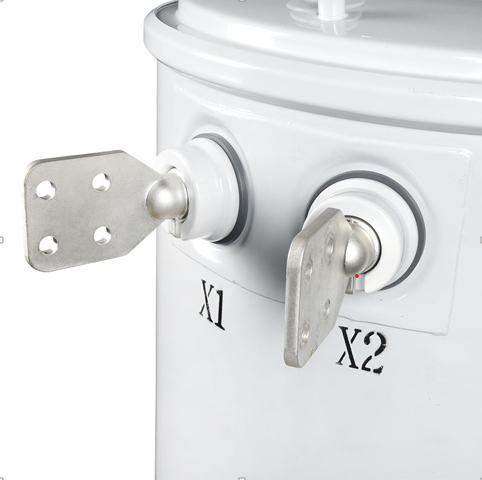
A 167 kva pole mounted transformer can serve distribution networks that require a suitable balance between electrical capacity, installation space, and operating efficiency. Its performance depends on the connected load, voltage requirements, environmental conditions, and the quality of the supporting electrical infrastructure. Understanding these factors helps utilities, contractors, and project planners make better decisions about transformer selection and installation.
Why Pole-Mounted Transformers Are Used in Distribution Networks
Electricity travels through transmission and distribution networks at different voltage levels. Higher voltages help reduce current and minimise losses during long-distance transmission. Before electricity reaches end users, distribution transformers reduce the voltage to match the requirements of local electrical systems.
Pole-mounted transformers are commonly installed on utility poles along roads, residential streets, rural routes, and agricultural properties. Their elevated position keeps the equipment above ground level and allows them to connect directly with overhead power lines.
This arrangement can reduce the need for dedicated ground-level transformer enclosures, particularly in locations where space is limited or underground distribution is expensive. Pole-mounted installations also provide utility crews with access to equipment for inspection and maintenance, subject to appropriate safety procedures.
A 167 kVA unit may be suitable for certain local distribution applications, depending on the utility’s design standards and the demand placed on the network. The final selection must account for both present consumption and expected changes in electricity use.
See also: How to Build an Audience from Scratch in 2026: The Ultimate Zero-to-One Growth Blueprint
Understanding the 167 kVA Capacity Rating
The kilovolt-ampere (kVA) rating represents a transformer’s apparent power capacity. A transformer rated at 167 kVA is designed to handle up to 167 kilovolt-amperes under its specified operating conditions.
Its available active power, measured in kilowatts, depends on the connected load’s power factor. For example, at a power factor of 0.90, a 167 kVA transformer corresponds to approximately 150.3 kW of active power at full rated apparent load.
This difference matters because motors, pumps, refrigeration equipment, and other inductive loads can draw reactive power as well as active power. Engineers must evaluate the complete electrical load rather than adding only the wattage ratings of connected devices.
The expected demand should also reflect how equipment operates throughout the day. A property with several large machines that run simultaneously may need a different transformer capacity from a building with the same connected equipment but a lower peak demand.
Proper load calculations help prevent repeated overloading, excessive temperature rise, and avoidable service interruptions.
Supporting Homes, Businesses, and Rural Properties
A transformer of this capacity may serve a range of distribution applications, depending on local electrical standards and the characteristics of the connected customers.
In residential areas, a distribution transformer supplies electricity to multiple households through a local low-voltage network. Demand can rise during periods of heavy air-conditioning use, electric cooking, water heating, or other simultaneous household activities.
Small commercial properties may require power for lighting, refrigeration, office equipment, ventilation, and workshop machinery. Farms may depend on electricity for irrigation pumps, storage facilities, ventilation systems, and agricultural processing equipment.
The number of customers a 167 kVA transformer can support cannot be determined from its rating alone. Consumption patterns, peak demand, power factor, supply voltage, and the diversity of connected loads all influence the appropriate service area.
Utility planners should assess these conditions before assigning customers to a transformer. A carefully designed distribution arrangement can maintain acceptable voltage levels while reducing the risk of sustained overloading.
Voltage Reduction and Power Quality
Distribution transformers must deliver electricity at the correct voltage for the connected equipment. An unsuitable voltage can cause motors to overheat, electronic devices to malfunction, and lighting systems to perform poorly.
The primary winding connects to the incoming distribution supply, while the secondary winding provides the required output voltage. The precise voltage combination depends on the utility network and the installation’s electrical requirements.
Transformer impedance, conductor length, cable size, and load variation all influence voltage regulation. Long low-voltage lines can experience noticeable voltage drops, especially when customers draw high current at the same time.
Engineers should therefore consider the entire distribution circuit rather than evaluating the transformer in isolation. Correct conductor sizing, suitable network layout, balanced phase loading, and appropriate transformer tap settings can help maintain voltage within permitted limits.
A pole-mounted transformer also needs to match the supply frequency and the required single-phase or three-phase configuration. These details must be confirmed before procurement and installation.
Weather Resistance and Outdoor Performance
Pole-mounted transformers operate outdoors, where they are exposed to changing temperatures, rain, humidity, dust, wind, and other environmental conditions. Equipment intended for these installations must be designed for the expected site conditions.
The enclosure, bushings, insulating system, seals, and external fittings must provide suitable protection against environmental exposure. The installation must also account for local pollution levels, corrosion risks, and the possibility of severe weather.
High ambient temperatures can affect cooling performance, while excessive moisture or damaged seals may compromise insulation in some transformer designs. Routine inspections help identify visible damage, leakage, corrosion, and other developing concerns.
The supporting pole and mounting hardware require equal attention. Their mechanical strength must be adequate for the transformer’s weight and the loads imposed by associated conductors and fittings. Local wind conditions, clearances, and utility construction standards influence the mounting arrangement.
Proper installation helps reduce the risk of equipment damage and service interruptions during challenging weather.
Safety Features and Electrical Protection
Electrical protection is essential for reliable transformer operation. A fault in the distribution network can produce excessive current, damaging windings, conductors, or connected equipment unless the protection system responds appropriately.
Depending on the transformer design and network requirements, the installation may include fuses, surge arresters, suitable switching equipment, and protective grounding. These components address different risks and must be selected to coordinate with the utility’s upstream and downstream protection systems.
Surge arresters help limit damaging voltage surges associated with lightning and switching events. Fuses or other approved protective devices can interrupt certain fault currents, provided their ratings and characteristics suit the application.
Grounding arrangements must comply with the applicable electrical code and utility requirements. The transformer tank, supporting metalwork, and neutral connection must be handled according to the approved grounding design.
Because pole-mounted equipment may carry hazardous voltages, installation, inspection, and repair should be performed only by qualified personnel following authorised isolation procedures and relevant safety rules. Public access to the equipment should also be controlled through appropriate clearances, placement, and utility safeguards.
Efficiency and Transformer Losses
Transformer efficiency affects both operating costs and the amount of energy lost during distribution. Although transformers do not have moving parts, they consume energy through core losses and winding losses.
Core losses occur whenever the transformer is energised. Winding losses increase as current flows through the conductors and generally rise with the square of the current under comparable conditions.
A transformer operating continuously can accumulate substantial energy losses over its service life. Comparing efficiency figures and guaranteed loss values can therefore help utilities assess the long-term cost of different models.
The actual performance of a 167 kVA unit depends on its construction, loading pattern, voltage conditions, and maintenance. A correctly sized transformer operating within its specified limits will generally provide better service than one that is persistently overloaded or poorly maintained.
Load monitoring also helps identify opportunities to redistribute demand across the network, particularly where consumption has increased since the original installation.
Maintenance Practices That Protect Reliability
Routine maintenance helps extend equipment life and reduces the likelihood of unexpected outages. Inspection schedules should follow manufacturer recommendations, utility procedures, and applicable regulations.
Utility personnel may check for oil leakage on oil-filled units, damaged bushings, loose or deteriorated connections, unusual noise, corrosion, and signs of overheating. They may also inspect fuses, surge arresters, mounting brackets, earthing connections, and nearby conductors.
Infrared inspections and electrical testing can help identify developing faults that are not immediately visible. Where appropriate, oil sampling and analysis may provide information about insulation condition and internal deterioration.
Load records are also valuable. A transformer that repeatedly approaches its rated capacity during peak periods may require load redistribution, network improvements, or replacement with a suitably rated unit.
Maintenance work should always follow the required isolation, testing, and access procedures for elevated electrical equipment.
Selecting the Right Transformer for a Project
Choosing a pole-mounted transformer requires a review of technical specifications, network conditions, and long-term operating needs. Buyers should confirm the rated capacity, primary and secondary voltages, frequency, phase configuration, impedance, insulation level, cooling arrangement, and applicable efficiency requirements.
The specification should also identify relevant standards, environmental conditions, protection requirements, mounting details, and testing documentation. Suppliers should provide technical drawings, guaranteed loss figures, nameplate information, and warranty details for evaluation.
A 167 kva pole mounted transformer may be an appropriate option for a distribution project with a compatible voltage supply and a calculated demand within its rated capacity. However, the decision should follow an engineering assessment rather than relying on the kVA rating alone.
Reliable electricity distribution begins with matching the equipment to the network it serves. Accurate load forecasting, suitable protection, sound installation practices, and scheduled maintenance help utilities deliver consistent power while managing operating costs and reducing the likelihood of preventable failures.