ByJohn A
What Are NFTs and How Do They Work?
NFTs are unique digital records verified on a blockchain that certify ownership and provenance of specific assets. They rely on token standards and immutable ledgers to encode identity, metadata, and links to the underlying item. Ownership can change openly, with programmable royalties enabling ongoing creator payments. Smart contracts enforce terms across platforms, supporting minting, transfers, and licensing. The framework is precise, but practical implications and risks require careful assessment before adoption.
What Are NFTs and Why They Matter
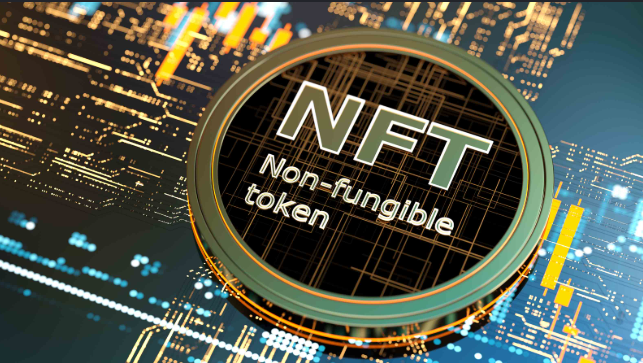
NFTs, or non-fungible tokens, are unique digital assets verified on a blockchain that certify ownership and provenance of a specific item or data, such as art, music, or in-game items.
This precision enables discrete provenance, selective licensing, and monetization pathways.
Creative economics emerges from scarce digital rights and programmable royalties, while digital ethics address ownership fairness, fraud risk, and transparent disclosure for an audience seeking freedom.
See also: polandmagazine
How NFTs Are Built on the Blockchain
How are NFTs embedded in blockchain infrastructure, and what mechanisms ensure their uniqueness and verifiability? They rely on token standards and immutable ledgers to encode identity, ownership, and provenance. NFT metadata links to assets, while metadata integrity is ensured via hashes and decentralized storage. Blockchain standards define interfaces, interoperability, and secure minting, enabling consistent verification across ecosystems.
How Ownership, Provenance, and Royalties Work
Ownership, provenance, and royalties are governed by verifiable records, cryptographic assurances, and standardized contractual terms that together define who holds what, when it changed hands, and what ongoing rights apply.
In practice, ownership transfer occurs via tokenized proofs, while royalty enforcement relies on smart contracts and platform standards, ensuring transparent attribution, traceable provenance, and consistent revenue streams within digital asset markets.
Practical Uses, Risks, and How to Get Started
Practical uses of non-fungible tokens span art, gaming, music, digital collectibles, and tokenized real-world assets, with each application leveraging verifiable ownership, provenance, and programmable royalties established in prior discussions.
The approach is analytical: assessing opportunities alongside risks, including conservation ethics and energy consumption, while outlining accessible steps for entrants.
Clarity, governance considerations, and prudent experimentation enable disciplined adoption and value realization.
Frequently Asked Questions
How Do I Verify NFT Authenticity Quickly?
Verification methods include checking on-chain metadata and explorer records; provenance verification hinges on immutable, auditable histories. The approach is analytical, precise, industry-focused, empowering a freedom-seeking audience to confirm authenticity quickly and with minimal friction.
Can NFTS Expire or Lose Value Over Time?
NFT longevity varies; expiration is unlikely, but value can decay. The analysis emphasizes Market Liquidity and NFT Longevity, noting liquidity shifts and market cycles influence perceived worth, while holders seek diversified, freedom-aligned strategies to mitigate volatility.
What Fee Structures Should Buyers Expect?
Allusion hints at market cycles; buyers encounter NFT pricing and a royalty structure that varies by platform. The buyer’s fee profile includes gas costs, platform commissions, and creator royalties, influencing total cost and future earning potential in an evolving ecosystem.
Do NFTS Require Ongoing Maintenance or Updates?
NFTs generally do not require ongoing maintenance, but some projects implement NFT renewals or metadata updates, which can incur costs or governance steps. The necessity depends on the contract, platform rules, and the creator’s roadmap.
How Do Taxes Apply to NFT Transactions?
Tax implications vary by jurisdiction and transaction type, but generally gains from NFT sales are taxable; losses may offset gains. Reporting requirements depend on local law, exchange platforms, and whether the NFT is considered a collectible or asset.
Conclusion
NFTs encode unique digital assets on a blockchain, linking identity, ownership, and metadata via token standards and smart contracts. Provenance tracks history; programmable royalties enforce creator payments; interoperability hinges on standardized protocols. An anecdote: a musician sold a limited NFT collection, plus embedded royalties, turning a one-off drop into a recurring revenue stream as buyers resold on secondary markets. Data point: royalties can automatically sustain creators across transfers. In sum, NFTs intertwine uniqueness, traceability, and monetization within a secure, programmable framework.